
Research and innovation bring together many different actors: universities, companies, public authorities, investors, technology infrastructures, living labs, civil society organisations and relevant intermediaries.
Each contributes something different to the journey from knowledge to use. However, the existence of these actors does not automatically create a connected ecosystem. Organisations may work on related challenges without knowing each other’s expertise, priorities or long-term plans. Important relationships may depend on individual contacts, while actors outside established networks remain difficult to reach.
This raises a practical question: who connects the different parts of the innovation ecosystem?
When collaboration depends on personal networks
Personal relationships are often the starting point for collaboration. People who know whom to contact can find expertise more quickly, understand how another organisation works and identify opportunities that may be of interest to both sides.
Over time, these connections can develop into the trust needed to share information, discuss risks and explore uncertain opportunities. The difficulty is that this knowledge often remains with the individuals who built the relationship. When someone changes the role or leaves an organisation, valuable contacts and understanding may disappear with them, even when the organisations still have common interests.
Formal agreements can clarify responsibilities, but they cannot replace the familiarity and confidence built through working relationships. Innovation ecosystems become stronger when these individual connections are supported by lasting links between organisations.
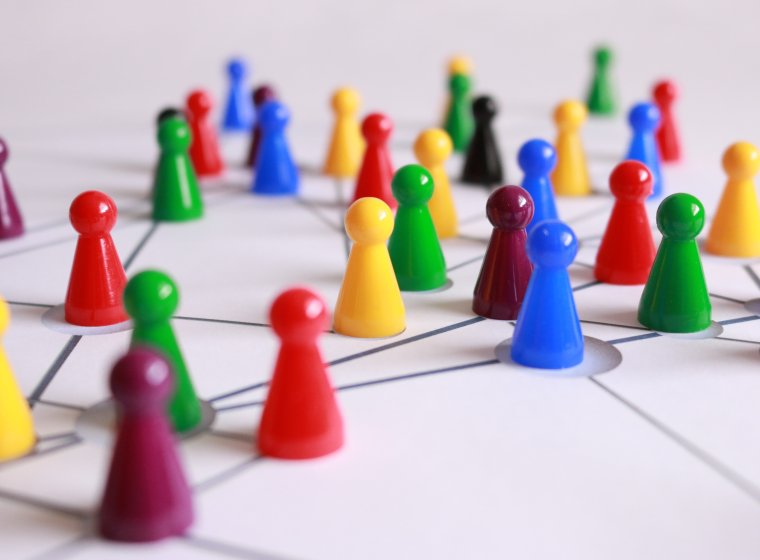
Do innovation ecosystems need connectors?
Even well-established relationships can leave parts of the ecosystem outside the conversation. Technology transfer offices often work with IP offices, business support organisations and project partners. Their links with living labs, community organisations, technology infrastructures and other less familiar actors may be less developed. They may use different language, work according to different timeframes or have no clear entry point into project activities.
Who, then, helps organisations find the right connections?
Ideally, this would be a recognised and supported function within the ecosystem. Someone who has an overview of the organisations, expertise and resources available, recognises where interests overlap and helps the relevant actors begin working together.
In practice, parts of this role are already fulfilled by different actors. Technology transfer offices may connect researchers with companies, IP offices and specialist support. Innovation agencies may link businesses, public authorities and regional priorities. Individuals with experience across different parts of the system may also help organisations find partners and understand each other’s perspectives.
However, this connecting function is rarely recognised as a responsibility within its own right. Many organisations become involved when a specific project, contract or funding opportunity already exists, leaving little time to maintain relationships, look beyond their usual networks or connect actors before a concrete opportunity has emerged.
This leaves organisations with complementary capabilities without an established route to one another. Recognising and supporting the connecting function could help address this gap by giving it the mandate, time and continuity needed to link actors already present in the ecosystem.
What would support these connections
A starting point is a clearer view of the ecosystem. Organisations need to understand who is active, what roles and expertise exist, where responsibilities overlap and how different parts of the system relate to one another. This kind of visibility can clarify where support is available, reveal gaps and help organisations see how they fit within the wider innovation landscape.
At the level of knowledge valorisation, ALL4KV is one example of an initiative working towards greater visibility and exchange through pan-European mapping and recognition of intermediary roles. The wider innovation ecosystem extends beyond this group to include industry, research and technology organisations, investors, public authorities and other actors.
Clarity alone will not create relationships. People also need opportunities to meet without the immediate pressure to prepare a proposal or negotiate an agreement. Informal exchanges and peer-learning can help organisations understand how others work and reveal connections that may not emerge through formal databases or funding calls.
Organisations need to recognise relationship-building as part of innovation and valorisation work. Leaders create the time and space needed to maintain external links, involve less familiar actors and work across institutional boundaries.
The aim is not for every organisation to work with every other actor. It is to create clearer routes between organisations with complementary roles and make it easier to involve the right expertise when it is needed.
From individual projects to shared ecosystems
The need for clearer and more lasting connections also shapes how the EURICE Group organises its work. Through our Innovation Ecosystems, we connect projects, partners and expertise around related areas of research and innovation.
This gives team members opportunities to compare experience, recognise overlapping interests, share contacts and involve complementary expertise when it is needed. Connections developed through one project can therefore become useful to others, while partners can continue working together beyond the immediate requirements of a single project.
Innovation Ecosystems do not connect every actor or resolve every barrier to collaboration. They are one way we put this approach into practice: by making related work more visible, creating links across projects and giving relationships the opportunity to develop over time.